
criminal defense
DUI Defense in West Palm Beach
A DUI arrest can turn your life upside down in hours. You may suddenly face a license suspension, a looming court date, and decisions that will shape the outcome. Florida’s DUI laws are strict, and penalties increase sharply for repeat offenses or aggravating circumstances. The first ten days are more critical than any other period in the case.
If you have been arrested for DUI in South Florida, call Jeacoma Law today for a confidential consultation.
24/7
Emergency line
Free
Consultation
500+
Criminal Cases Defended
- DUI Defense in Florida
How Florida Defines DUI
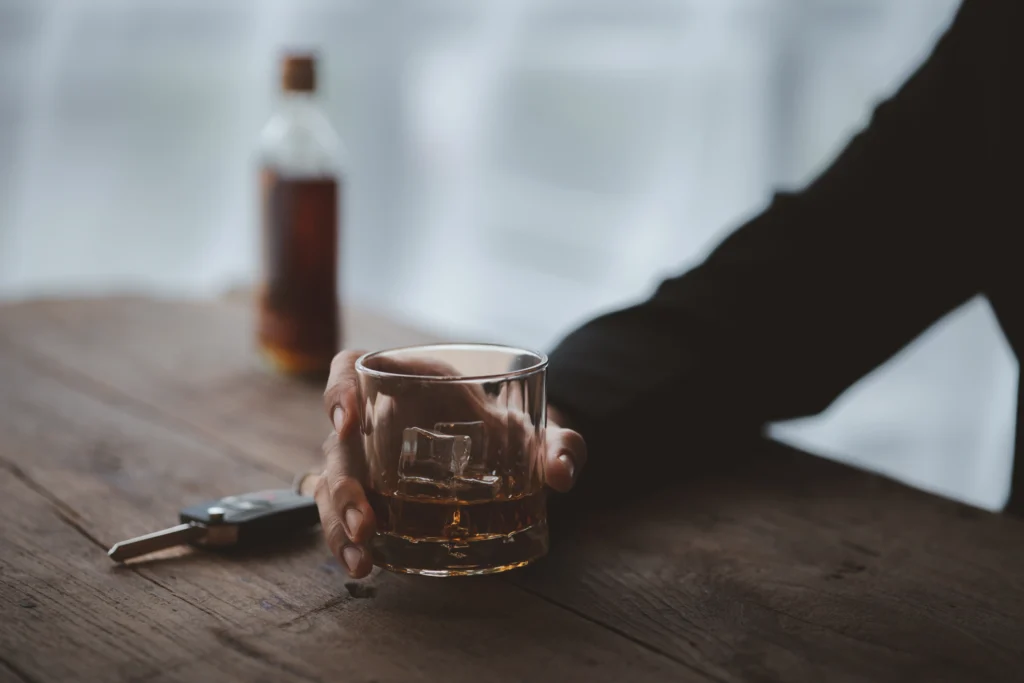
Under Florida law (§ 316.193, Fla. Stat.), a person can be charged with DUI if they are driving or in actual physical control of a vehicle while under the influence of alcohol, a chemical substance, or a controlled substance to the extent that their normal faculties are impaired, or if their blood- or breath-alcohol level is 0.08 or higher. The State can prove DUI with either evidence of impairment or test results, and the penalties are the same regardless of the method used. Importantly, Florida’s DUI law covers more than just driving. Simply being in the driver’s seat of a parked car with the keys in your possession can be enough to constitute actual physical control of the vehicle.
Should I Refuse the Breath Test?
There is no simple answer, and since October 2025, the consequences have become more severe. Under Florida’s implied consent law (§ 316.1932), if you drive in Florida, you’ve already agreed to submit to a breath or urine test if you are lawfully arrested for DUI, and to a blood test in certain circumstances.
As of October 1, 2025, that decision carries new weight. Under Trenton’s Law (House Bill 687), refusing a lawfully requested breath or urine test is now a crime in Florida, not only an administrative matter. A first refusal is a second-degree misdemeanor (up to 60 days in jail and a $500 fine). A second or subsequent refusal is a first-degree misdemeanor (up to one year in jail and a $1,000 fine). This charge is separate from the DUI and can be prosecuted even if the DUI is later reduced or dropped.
For years, many drivers assumed refusing was the safer choice because it denied the State chemical evidence. That assumption is now outdated. A refusal still triggers an administrative license suspension (one year for a first refusal, 18 months for a second) and now adds a criminal charge. The refusal itself can also be used as evidence against you at trial. If you have already refused a test, you may be facing two cases at once, and your response in the first days matters.
The 10-Day Rule
After a DUI arrest, your license is suspended immediately, and you receive a temporary driving permit valid for only 10 days. Within that window, you must request a formal or informal review with the Florida Department of Highway Safety and Motor Vehicles to challenge the suspension. The 10-day period runs from the date the notice of suspension is issued, which, in most cases, is the date of your arrest, not your first court appearance. If you don’t request a review in time, the suspension becomes final. Contacting an attorney immediately can help ensure you don’t lose this key opportunity.
What's at Stake: DUI Penalties in Florida
A DUI conviction can have consequences that last for decades, including fines, jail time, license revocation, probation, ignition interlock requirements, and, in serious cases, a felony record. Here’s what Florida law provides under § 316.193:
First DUI
- Fine: $500 to $1,000
- Jail: Up to 6 months
- Probation: Up to 1 year
- License revocation: 180 days to 1 year
- 50 hours of community service
- 10-day vehicle impoundment
- Substance abuse course required
Second DUI
- Fine: $1,000 to $2,000
- Jail: Up to 9 months
- Mandatory ignition interlock for at least 1 year
- If within 5 years: Minimum 10 days in jail, 30-day vehicle impoundment, and minimum 5-year license revocation
Third DUI
- If within 10 years: Third-degree felony, minimum 30 days in jail, 2-year ignition interlock, 90-day vehicle impoundment, and a minimum 10-year license revocation
- If outside 10 years: $2,000 to $5,000 fine, up to 12 months in jail, and 2-year ignition interlock
Fourth DUI
- Third-degree felony, mandatory minimum $2,000 fine, permanent license revocation
High BAC or Minor in Vehicle
- BAC 0.15+ or minor present: Enhanced penalties at every level (higher fines, longer incarceration, and longer ignition interlock periods)
DUI Involving Property Damage or Injury
- First-degree misdemeanor if there’s property damage or an injury
- Third-degree felony for serious bodily injury (up to 5 years in prison, a $5,000 fine, and a minimum 3-year license revocation)
DUI Manslaughter
- Second-degree felony if someone dies (4-year minimum, up to 15 years in prison, up to a $10,000 fine, and permanent license revocation)
- First-degree felony if the driver knew or should have known a crash occurred and failed to provide information or render aid (up to 30 years in prison)
- First-degree felony (up to 30 years in prison) if the driver has a prior conviction for DUI manslaughter, BUI manslaughter, vehicular homicide, or vessel homicide, under Trenton’s Law, effective October 1, 2025
Hardship Licenses
Florida’s hardship reinstatement rules are complex and depend on your individual history. As a general rule, Florida law prohibits a hardship license for anyone convicted of DUI two or more times, or whose license has been suspended two or more times for refusing a test. Limited exceptions apply after a waiting period: one year after a second conviction within five years, two years after a third conviction within ten years, and five years after a fourth conviction. Each exception requires DUI school and ongoing DUI program supervision, among other conditions. Hardship relief is not available after a DUI manslaughter conviction if the driver has a prior DUI conviction. Never assume you qualify or don’t qualify without consulting a DUI lawyer.

Common Defenses
- The legality of the stop: Police must have reasonable suspicion to pull you over. If not, the evidence may be suppressed.
- Field sobriety tasks: These are subjective and require specific procedures. Deviations or medical conditions can affect the results of these tasks.
- Breath test accuracy: Machines must be properly maintained, and officers properly trained.
- Rising blood alcohol: Sometimes your BAC is below 0.08 at the time of driving but rises by the time of testing.
- Medical conditions: Neurological issues, medications, or physical limitations can mimic signs of impairment.

Talk to a DUI Defense Attorney
A DUI charge is serious. It is also one of the most defensible charges on the books, if the work starts early.
Andrew Jeacoma is a former Palm Beach County assistant public defender who tries cases, and he handles every matter personally. Call (561) 603-2203 for a confidential consultation. Serving clients throughout South Florida, including Palm Beach, Martin, and St. Lucie counties.
What Happens After a DUI Arrest
The process moves quickly. Florida law does not allow release after a DUI arrest until you are no longer impaired, your breath or blood alcohol level is below 0.05, or eight hours have passed. If you are not released on bond, you must be brought before a judge for first appearance within 24 hours of arrest, at which time the judge sets release conditions. The criminal case and the license suspension proceed on separate tracks. Andrew will review the State’s evidence, file pretrial motions if appropriate, and either negotiate a resolution or prepare for trial, depending on the facts.
- Protect Your Future
Your DUI Case Can't Wait.
Call before the next hearing, not after. The consultation is free and confidential.